 Ga naar de inhoud
 EN
EN  NL
NL  DE
DE 
Yes, you can definitely rent a kiteset for your vacation. This offers flexibility, cost savings and access to modern equipment without the worries of transportation and maintenance. Many kitesurfers choose to kitegear for rent because it is more practical than bringing your own gear, especially on airline vacations where baggage fees can be high.
What is the difference between buying and renting a kiteset for your vacation?
The kite set rental for vacations is usually more economical than buying, especially for occasional kitesurfers. Renting costs an average of 50-80 euros per day, while a complete new kiteset costs 2000-4000 euros. So for a week's vacation, you pay 350-560 euros in rentals versus thousands of euros in purchases.
The flexibility of renting is a big advantage. You can choose the right size on site based on current wind conditions and your skill level. Local renters know the conditions perfectly and recommend what gear will work best at their spot. With your own gear, you're stuck with what you brought, regardless of actual conditions.
Maintenance and transportation are practical considerations. Rented kites are professionally maintained and are usually more recent than your own equipment. You don't have to worry about damage in transit or airline baggage. Own gear requires careful packing, additional baggage fees and the risk of damage en route.
For regular kitesurfers who vacation several times a year, buying may become more economical. They know their preferences well and benefit from trusted gear. Novice kitesurfers, on the other hand, benefit from renting because they can try out different brands and sizes before investing in their own gear.
What kitesurfing equipment do you need for a successful kitesurfing vacation?
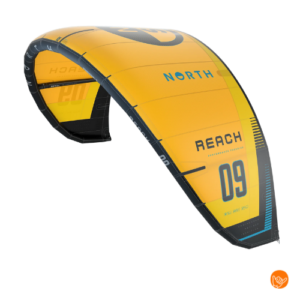
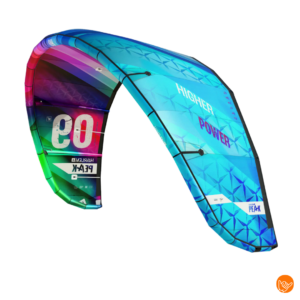
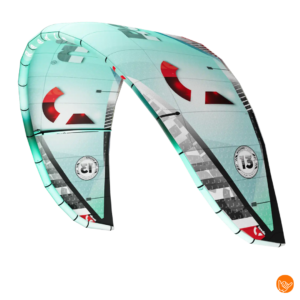
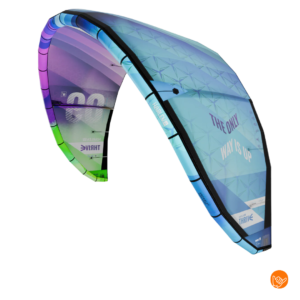
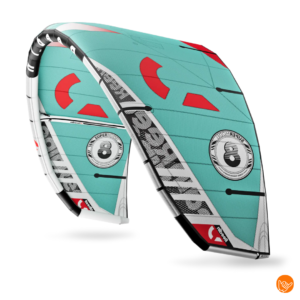
A complete kite set consists of a kite, board, harness, bar with lines and safety system. For vacations, you usually have two different kit sizes needed to cover different wind conditions: a smaller kite (9-12m²) for strong winds and a larger one (12-15m²) for lighter winds.
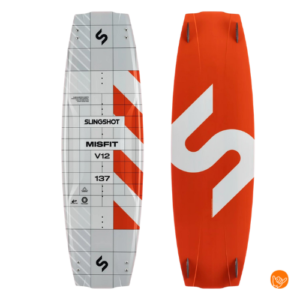
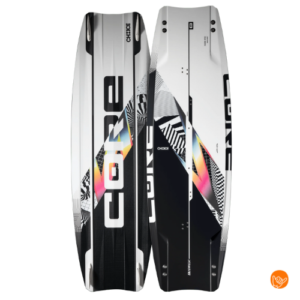
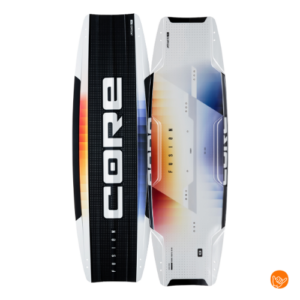
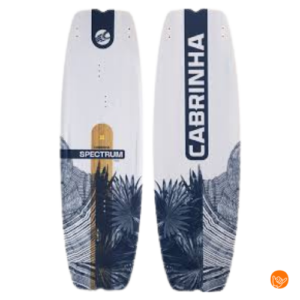
The kiteboard should fit your weight and skill level. Beginners choose a larger, more stable board (140-160cm) that offers easier water starts. Advanced riders prefer smaller, nimbler boards (130-145cm) for more performance and tricks.
The harness connects you to the kite and should be comfortable during long sessions. Seat harnesses offer more back support and are suitable for beginners, while waist harnesses give more freedom of movement for advanced maneuvers. Make sure the harness fits properly without pinching or sliding.
Safety equipment is essential, especially at unfamiliar spots. A helmet protects against impact with water or obstacles. An impact vest provides extra buoyancy and protection. Reef booties protect your feet from sharp corals or rocks on the beach and in the water.
Accessories complete your vacation: a wetsuit adapted to the water temperature, sunglasses with strap, waterproof phone case and a beach bag for your gear. A wind gauge helps estimate conditions and choose the right kite size.
How to choose the right kiteset size for your vacation destination?
The right kit size depends on your weight, skill level and local wind conditions. As a rule of thumb: 1m² of kite per 5-7 pounds of body weight In average winds (15-20 knots). So a 70-pound person uses a 10-14m² kite, depending on wind strength and experience.
Study your destination's wind statistics in advance. Tarifa often has strong winds (20-30 knots) where smaller kites (8-12m²) are ideal. Egyptian spots like El Gouna consistently have average winds (15-25 knots) where 10-14m² kites work well. Brazilian spots vary greatly by season and location.
Your skill level also determines the choice. Beginners benefit from slightly larger kites that generate more power in less wind and fly more stably. Advanced riders can handle smaller kites and benefit from maneuverability and faster response.
For board selection, larger board in less wind and lower skill level. In choppy conditions, a larger board offers more stability. On flat water, you can choose a smaller, faster board. Twin tips are versatile and suitable for most conditions, while directional boards perform better in waves.
Local landlords are your best advisors. They know the specific conditions of their spot and can recommend the best size daily. Many rental companies offer free exchanges if the wind changes, which is a big advantage of renting locally. For home use, you might also consider put together your own kitegear Based on your experiences during vacations.
Where can you reliably rent kitesurfing gear for your vacation?
Local kite schools and rental shops at your vacation destination are usually the best option for kiteset rental. They have fresh equipment, know the local conditions perfectly, and often offer service such as free swaps in changing winds. Popular kite spots have multiple rental companies, which promotes competition and good service.
Book your rental gear in advance, especially in high season. Many rental companies offer discounted online reservations for longer periods. Renting a week is often cheaper per day than single days. Ask about package deals that combine kite, board, harness and safety gear.
Always check the condition of the equipment before use. Look for wear on the kite, especially at the leading edge and tips. Test the safety system and check that all lines are the same length. A serious rental company will be happy to show you the equipment and explain the safety system.
Subscription services offer an alternative for frequent travelers. These services deliver gear to different destinations or offer global partnerships with local rental companies. This can be of interest if you take several kite trips a year and want access to premium gear.
Ask about terms in the event of damage or loss. Serious rental companies have clear agreements about normal wear and tear versus damage from misuse. Good insurance usually covers damage to rented sports equipment, check with your insurer beforehand. For questions about gear or tailored advice you can always contact with specialists.
Renting a kiteset for your vacation offers practical benefits that outweigh the cost, especially for airline vacations. You get access to modern, well-maintained gear without transportation worries. Local rental companies advise on the best gear for current conditions and offer flexibility to change as the weather changes. For most kitesurfers, renting is the smartest choice for worry-free vacation sessions.