 Ga naar de inhoud
 EN
EN  NL
NL  DE
DE 
For a successful kitesurfing vacation, you need essential basic equipment: a kite, board, harness and safety gear. The right kite size depends on local wind conditions and your skill level. You can choose between bringing your own equipment or renting it locally, depending on cost, convenience and availability. This guide answers the most important questions about kitesurfing equipment for vacations.
What basic equipment do you always need for kitesurfing on vacation?
For kitesurfing, you always need four essential items: a kite, kiteboard, harness and safety equipment. This basic equipment is the core of any kitesurfing setup, and without any of these items, you cannot safely take to the water.
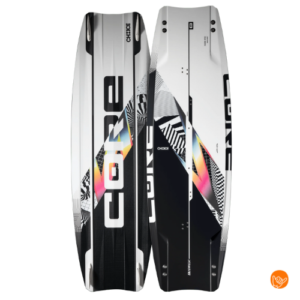
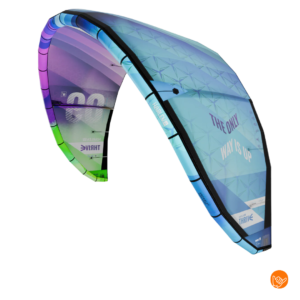
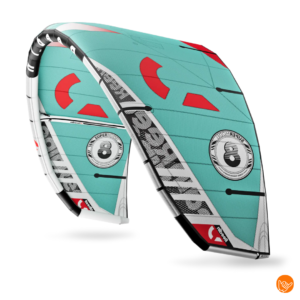
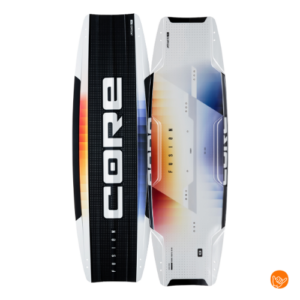
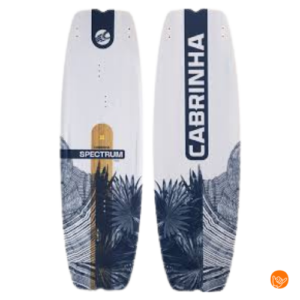
The kite is your engine and determines how much power you have. A kiteboard allows you to glide across the water and perform maneuvers. The harness connects you to the kite and ensures that the power is properly distributed to your body rather than just your arms.
Your safety equipment includes a helmet, life jacket and safety leash. These items can literally save your life in unexpected situations. A helmet protects against collisions with your board or other objects. A life jacket keeps you afloat if you pass out, and the safety leash keeps your kite from flying away if you let go of the bar.
If you forget any of these essentials, your kitesurfing vacation could end abruptly. Local kite schools do not always have all sizes available, especially during busy periods. It is therefore wise to bring at least your own harness and safety equipment, as they should fit your body perfectly. For a complete setup, you can also use our service for travelers which helps you plan your kitesurfing vacation.
How to choose the right kite size for different vacation destinations?
You choose the right kite size based on local wind statistics, your body weight and skill level. For most destinations, a 9-12m kite is sufficient, but this varies greatly by location and season.
Research in advance the average wind speeds of your destination through websites such as Windfinder or Windguru. Tropical destinations such as the Caribbean often have consistent trade winds of 15-25 knots, making a 9-12m kite ideal. European coastal areas have more variable winds, so a 10-14m kite offers more flexibility.
Your body weight plays a crucial role. Lighter riders need a smaller kite at the same wind speed than heavier riders. For example, a 70 kg rider will use a 12m kite at 18 knots of wind, while an 85 kg rider will need a 14m kite for the same conditions.
For beginners, it is wise to choose a slightly larger kite because it is more stable and more forgiving when making mistakes. Experienced riders can opt for smaller kites that are more responsive and provide better performance in strong winds.
Also study the local seasons. Many destinations have a strong windy season and a calmer season. Plan your visit during the windy months and adjust your kite size accordingly for optimal sessions. Want help with putting together kitegear for your specific destination? Then our experts can advise you on the perfect setup.
Which is smarter: bringing kitesurfing equipment or renting it locally?
Bringing your own equipment is smarter for longer vacations and experienced riders, while renting is more convenient for short trips and beginners who want to try different setups.
Bringing your own equipment has distinct advantages. You get used to your own setup, which improves your confidence and performance. For vacations longer than a week, transportation costs are often cheaper than renting. You also have the guarantee that your equipment will be available, regardless of crowds on site.
However, renting also has attractive aspects. You don't have to carry heavy luggage and don't risk shipping damage. For beginners, renting offers the chance to try out different makes and models before buying your own equipment. Plus, you often get advice from local experts on the best setup for local conditions.
Costs vary greatly by destination. In popular kitesurfing areas such as Tarifa or Cabarete, rentals cost about 40-60 euros per day for a complete setup. Transporting your own equipment usually costs an additional 50-150 euros per flight, depending on the airline.
For vacations shorter than 5 days, renting is usually more economical. For longer stays or if you have specific equipment needs, it pays to bring your own gear. Also consider a hybrid approach: bring your own harness and safety gear and rent kite and board locally.
How do you pack kitesurfing equipment safely for airplane transport?
Pack your kite in a sturdy kitebag with extra protection around the leading edge, and check your airline's baggage rules in advance. Most airlines accept kitesurfing equipment as sports baggage for an additional fee.
Start by thoroughly cleaning your equipment to remove sand and salt. Carefully fold your kite according to the manufacturer's instructions. Wrap the leading edge in a towel or bubble wrap to prevent damage. Place sharp parts such as fins and the spreader bar in separate protective covers.
Use a sturdy kitebag or boardbag that can withstand rough handling. Fill empty spaces with clothing or towels to prevent movement during transport. Make sure the total weight is within your airline's limit, usually 23-32 kg for sports luggage.
Check your specific airline's baggage rules in advance. Some airlines have special rules for kitesurfing equipment or charge extra fees. Budget airlines are often stricter than traditional airlines. Book sports baggage online in advance; this is usually cheaper than paying locally.
Take photos of your equipment before packing for possible claims. Consider travel insurance that covers sports equipment. Carry valuable small items such as your harness in your carry-on luggage so you can at least kite if your main luggage arrives delayed.
What spare parts and repair gear should you bring?
Always take a repair kit with stickers, valve, pump and spare lines along. These small parts can prevent a small defect from ruining your entire kitesurfing vacation.
A complete repair kit includes several types of adhesives for your kite (ripstop tape), waterproof glue, spare bridle lines, an extra safety leash and a small pump. Add sandpaper, scissors and a permanent marker for marking cracks.
The most common problems during vacations are small cracks in your kite, faulty valves and broken lines. A tear of a few inches can be easily repaired with ripstop tape. Faulty valves are quick to replace if you have spare parts. Broken bridle lines are common, especially on older kites.
Also consider spare parts for your board. Spare fins, screws and a small screwdriver take up little space but can save a lot of misery. A broken fin otherwise means the end of your session.
For your harness, bring spare parts such as spreader bar pins and safety releases. These small parts break quite often and are hard to find locally. A broken harness means you can't get on the water.
Organize your repair gear in a waterproof bag and make sure you know how to do the most common repairs. Practice this at home, not during your vacation. Good preparation will ensure you spend more time on the water and less time with repairs.
Proper preparation of your kitesurfing equipment determines the success of your kitesurfing vacation. By carefully selecting essential equipment, choosing the right kite size and bringing adequate spare parts, you will maximize your time on the water. Whether you choose to own or rent your own equipment, always ensure that safety is paramount and that you are prepared for minor repairs on site. Still have questions about your kitesurfing equipment for your next vacation? If so, please feel free to contact with us for personalized advice.